
Five on-page fixes that lift conversions
More traffic does not help if the page does not ask. Five fixes to the page itself, and how to test each one without guessing.
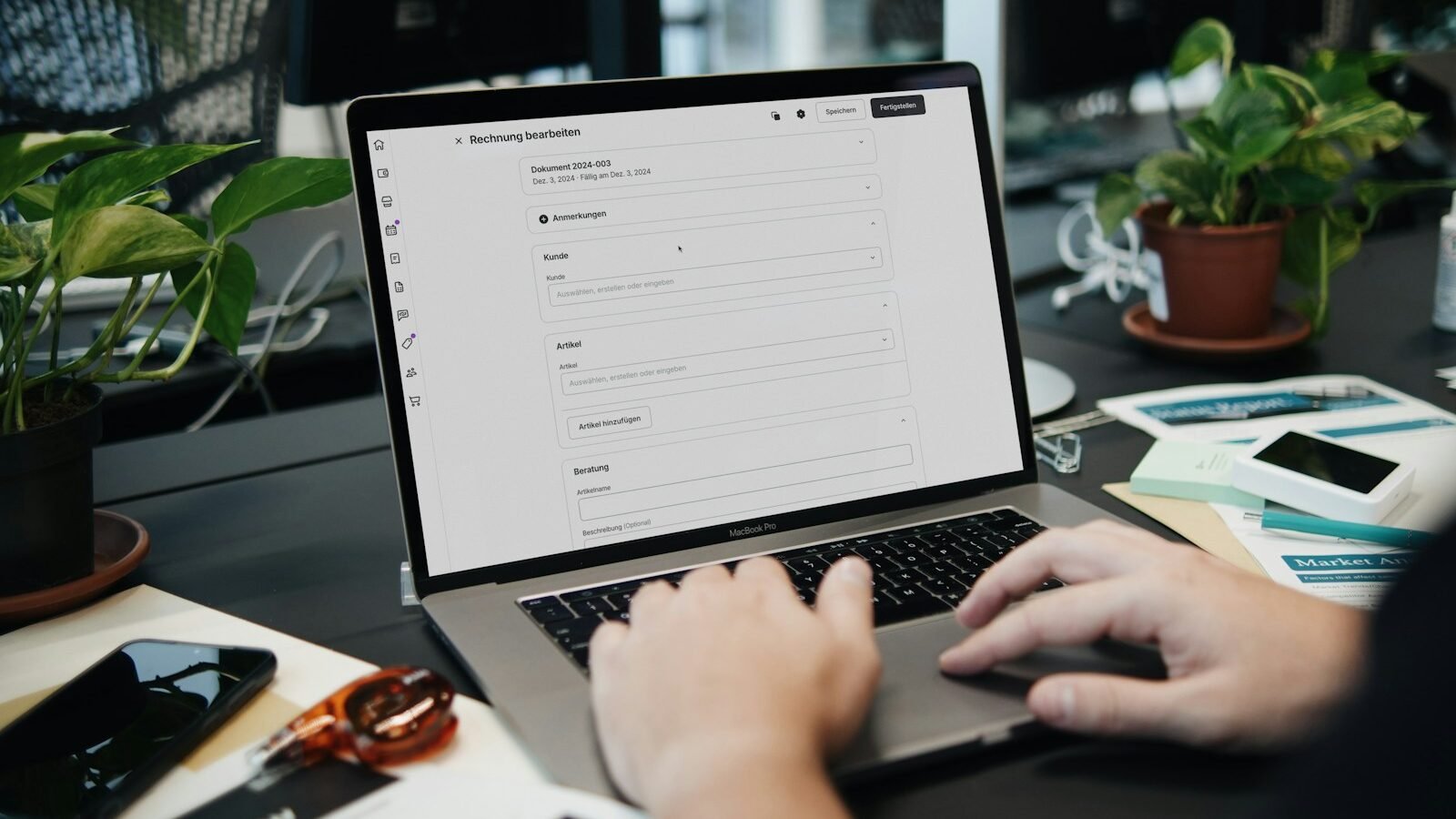
If a page gets visits but few enquiries, more traffic is the wrong fix. The problem is usually on the page: it does not match what the visitor searched for, it asks for too many things, or it gives no reason to trust you.
Here are five fixes, in the order we would try them. None needs a redesign. We promise no lift from any of them, because it depends on your page and your audience. What we do promise is a way to test each one.
1. Make the first screen answer the search
A visitor decides in a few seconds whether the page is about their problem. The heading and the first line should say what the page is, who it is for, and what happens next.
Weak: “Welcome to our company”. Better: “Website design for clinics in Pune: a new site live in six weeks” (use only a timeline you can keep).
Check it with one test: show the page to someone for five seconds and ask what it offers. If they cannot say, rewrite the heading.
2. Pick one action and repeat it
A page with five different buttons gives five reasons to leave. Choose one main action, such as “Get a free consultation”, and use the same words and the same destination at the top, in the middle and at the end.
Secondary links are fine, but they should look smaller than the main one and should not take the visitor off the page before they have decided.
3. Put proof next to the ask
Trust is built where the visitor hesitates, which is next to the button or the form. Useful proof is specific and checkable:
- a real review with the name and role of the person, and where it was posted;
- your registered business name, address and a phone number that is answered;
- one short example of what you did and what changed, with the client’s permission.
Do not invent numbers or testimonials. If you have no proof yet, say how you work and what the client receives. That is honest and still helpful.
4. Shorten the form
Every field you add costs completed forms. Ask for what you need to reply: name, email, and what they want. Phone number and budget can be optional or come on the first call.
Say what happens after sending: “A strategist replies within one working day with a first step.” Use a promise you can keep.
5. Fix the snippet so the right people click
The title and meta description are your first impression in search results. Google says it may use the meta description when it describes the page better than the page text, and it advises a unique, relevant description for every page (Google Search Central).
Write the title for the person searching: the topic first, then what makes the page worth the click. Keep it under about 60 characters so it is not cut. Write the description as one or two plain sentences that say what the visitor will find.
How to test without guessing
- Pick one page with steady traffic and a clear goal, such as the enquiry form.
- Write down the current numbers: visits, form submissions and the rate between them. Use GA4 events for form sends, calls and WhatsApp taps.
- Change one thing.
- Wait two to four weeks, or until you have enough visits to compare. A page with very few visits needs longer.
- Keep the change if the rate improved. Reverse it if not. Write down what you learned.
Small sites often cannot run a formal A/B test. A simple before and after, with one change at a time, is still far better than changing everything at once.
Common mistakes
- Changing the heading, the button and the form in one go, then not knowing which one worked.
- Judging after three days.
- Counting clicks on the button instead of completed enquiries.
- Adding a pop-up to “capture leads” on a page that already has a form.
If you want help finding what is holding a page back, our SEO Services and Website Design teams start with a review of the page and the numbers. You can ask for a free consultation.
Keep reading
-
 SEO
Does page speed affect Google rankings?
Yes, a little, and it matters more for visitors than for the algorithm. What Google says, the three numbers to hit, and… Read article -
 SEO
Local SEO checklist for service businesses
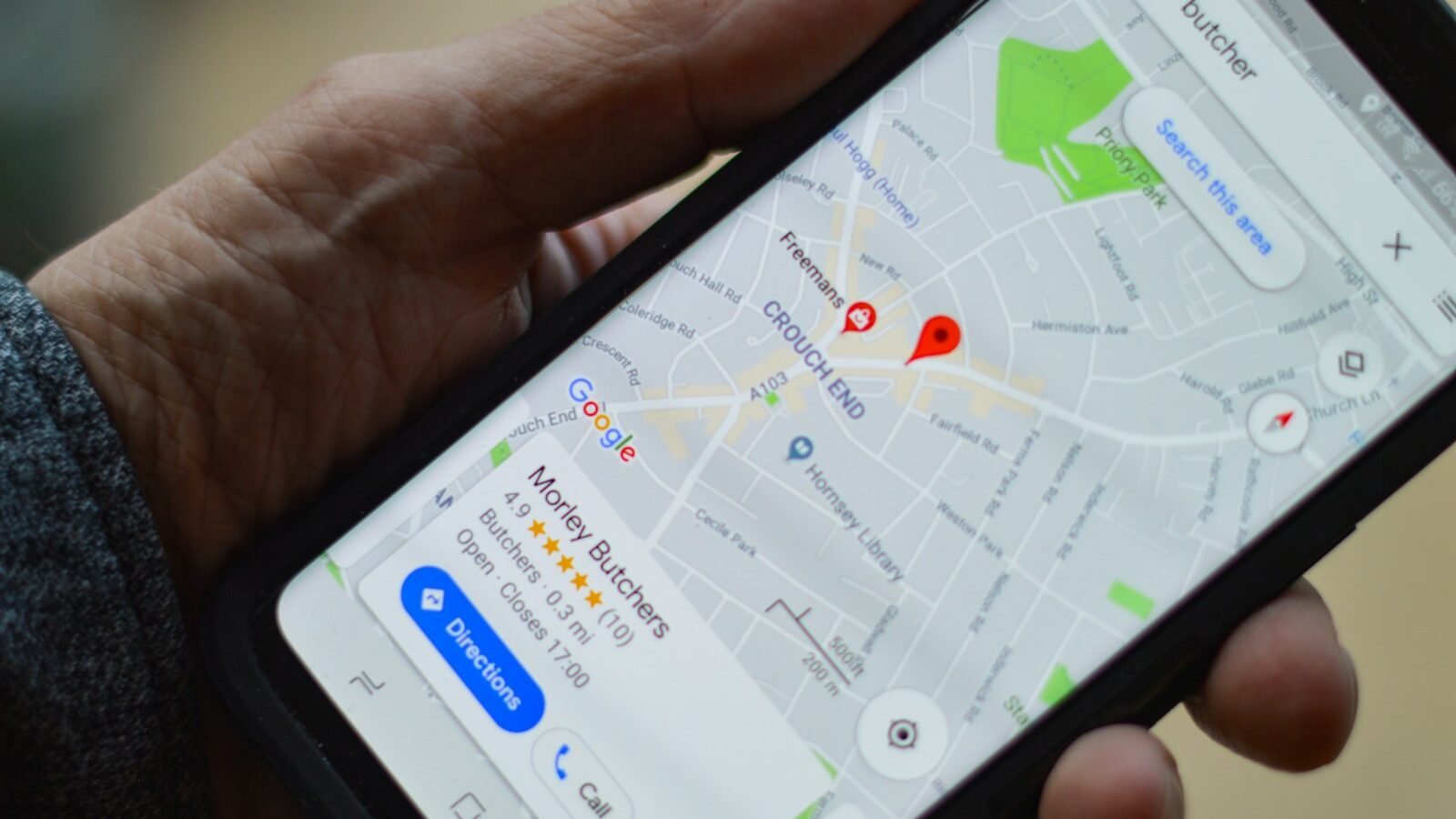
A step-by-step local SEO checklist for clinics, studios, contractors and other businesses that serve a city: profile, website, reviews and citations. Read article -
 SEO
How to read your Search Console like a strategist
Search Console is free and shows how your site appears in Google. Which numbers matter, which patterns to look for, and a… Read article
Talk to GSynq
Ready to put this into practice?
Tell us where your marketing stands today and a senior strategist will tell you what to fix first, with no sales pitch.